




Building a SaaS (Software as a Service) application in 2026 is no longer just about launching quickly, it’s about scaling efficiently. With increasing user expectations, global accessibility, and rapid growth potential, choosing the right tech stack can make or break your SaaS product.
For businesses investing in custom SaaS development services, selecting the right technologies is even more critical. A well-chosen stack ensures your platform can evolve, integrate new features, and handle exponential user growth without performance bottlenecks.
What Is a Tech Stack in SaaS Development?
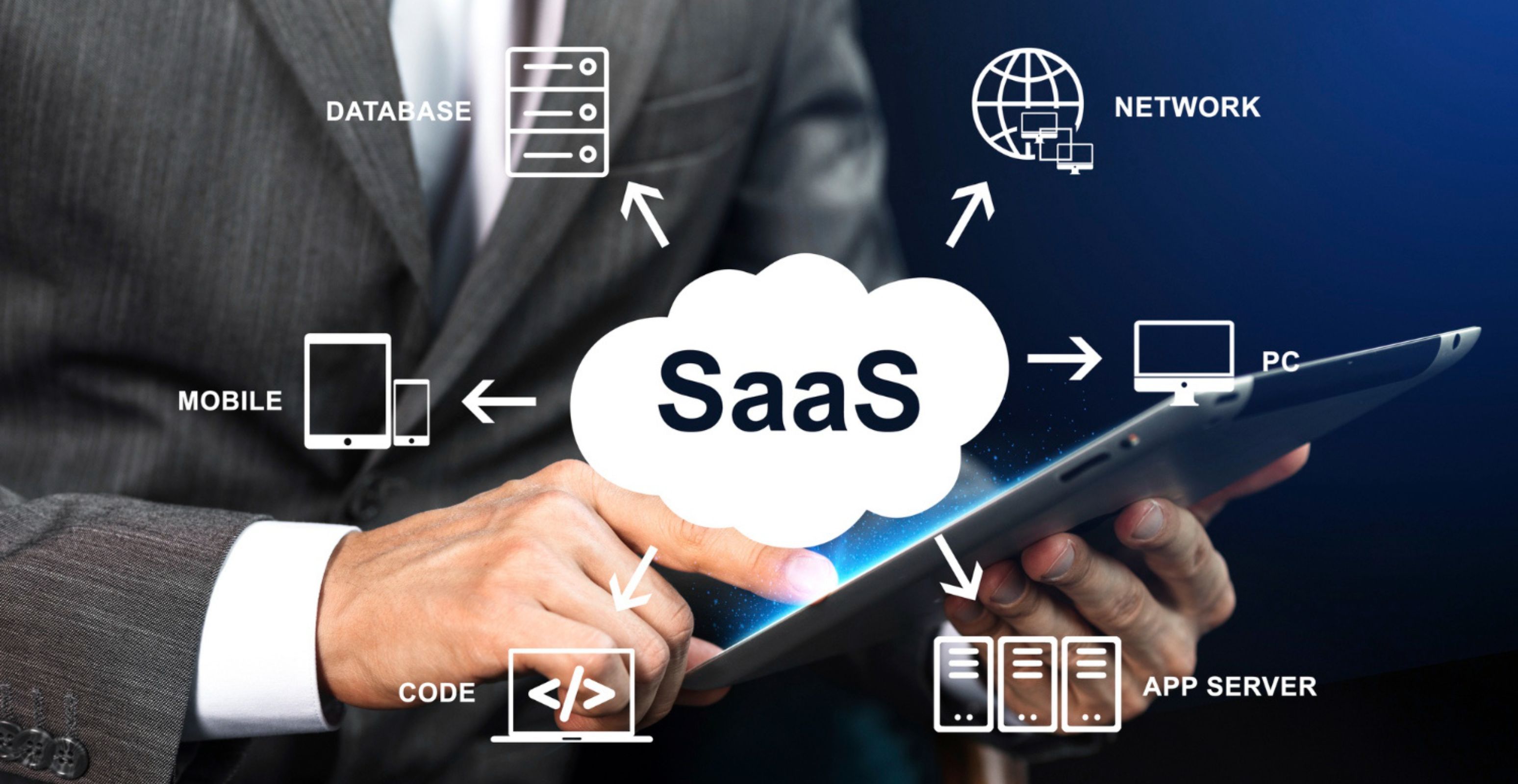
A tech stack refers to the combination of technologies used to build and run an application. In SaaS development, it typically includes frontend, backend, database, and infrastructure layers.
- Frontend: The user interface users interact with
- Backend: Server-side logic and APIs
- Database: Data storage and management
- Infrastructure: Cloud services, hosting, and scaling tools
Each layer plays a crucial role in determining how well your SaaS app performs under pressure.

Key Factors to Consider When Choosing a SaaS Tech Stack
Scalability Requirements
Your stack must handle growth—from a few users to millions. Technologies that support horizontal scaling are essential for SaaS success.
Development Speed
Startups often prioritize rapid MVP development, while enterprises focus on stability. Choosing frameworks with strong ecosystems can significantly reduce development time.
Cost Efficiency
Cloud services and third-party tools can quickly increase costs. Opt for scalable pricing models and open-source technologies where possible.
Developer Ecosystem
A strong community means better support, more libraries, and easier hiring. Popular technologies often reduce long-term risks.
Best Frontend Technologies for Scalable SaaS
- React.js remains a top choice due to its component-based architecture and scalability
- Next.js enhances React with server-side rendering and performance optimization
- Vue.js offers a lightweight and flexible alternative
These frameworks enable faster rendering, better SEO, and smoother user experiences, which are critical for retaining users.
Best Backend Technologies for SaaS Scalability
- Node.js is highly scalable with its non-blocking, event-driven architecture
- Django provides rapid development with built-in security features
- Spring Boot is ideal for large-scale enterprise SaaS applications
Many modern SaaS platforms are shifting toward microservices architecture, allowing independent scaling of services instead of relying on monolithic systems.
Database Choices for SaaS Applications
- PostgreSQL and MySQL are reliable for structured data and complex queries
- MongoDB and DynamoDB provide flexibility for unstructured data
- Redis is widely used for caching to improve speed and reduce database load
A hybrid approach combining SQL and NoSQL databases is becoming increasingly popular in scalable SaaS systems.
Cloud & Infrastructure for SaaS Scaling
- Amazon Web Services (AWS) offers unmatched scalability and services
- Microsoft Azure integrates well with enterprise ecosystems
- Google Cloud Platform (GCP) excels in data analytics and AI
- Docker and Kubernetes enable efficient deployment and scaling
- Serverless computing allows automatic scaling without server management
DevOps & CI/CD for Scalable SaaS
- CI/CD pipelines streamline deployment and reduce downtime
- GitHub Actions and Jenkins automate testing and releases
- Prometheus and Datadog ensure monitoring and performance
A strong DevOps strategy minimizes errors and ensures consistent delivery.
Recommended Tech Stack Combinations
- MERN Stack: Ideal for startups and rapid scaling
- JAMstack: Great for performance-focused SaaS applications
- Serverless Stack: Best for cost-efficient and scalable apps
- Enterprise Stack (Java + Spring Boot + Kubernetes): Suitable for large organizations
The best choice depends on your business goals, team expertise, and growth expectations.
Common Mistakes to Avoid
- Overengineering your stack in the early stages
- Ignoring scalability until it’s too late
- Choosing technologies your team isn’t familiar with
- Failing to plan for integrations and future updates
Future Trends in SaaS Tech Stacks
- AI-powered SaaS applications for personalization and automation
- Edge computing for faster global performance
- API-first development for seamless integrations
- Low-code/no-code platforms for faster deployment
Conclusion
There’s no one-size-fits-all tech stack for SaaS applications in 2026. The best stack is one that aligns with your product vision, team expertise, and scalability goals.
A modern SaaS stack typically includes a powerful frontend, scalable backend, flexible databases, and cloud-native infrastructure. By focusing on performance and long-term growth, you can build a SaaS application that thrives.
FAQs
What is the best tech stack for SaaS startups?
The MERN stack is a popular choice due to its flexibility, scalability, and fast development cycle.
Should I use microservices or monolith for SaaS?
Start with a monolith for simplicity, then transition to microservices as your app scales.
Which database is best for scalable SaaS apps?
A combination of SQL (PostgreSQL) and NoSQL (MongoDB) works best for most SaaS applications.
Is serverless good for SaaS applications?
Yes, serverless enables automatic scaling and reduces infrastructure management.
How do I future-proof my SaaS tech stack?
Choose flexible, widely supported technologies and design your architecture for scalability from the start.


