




The way businesses operate is changing faster than ever. Traditional automation tools are no longer enough to keep up with the demand for speed, efficiency, and scalability. Enter multi-agent AI systems, a powerful innovation that is transforming how entire businesses run without constant human intervention.
Instead of relying on a single AI tool, companies are now using multiple intelligent agents that collaborate, communicate, and execute tasks autonomously. This shift is driving massive growth in demand for AI automation services and specialized AI automation agency solutions.
In this guide, you’ll learn exactly what multi-agent AI systems are, how they work, and how they can automate entire business operations.
What Are Multi-Agent AI Systems?
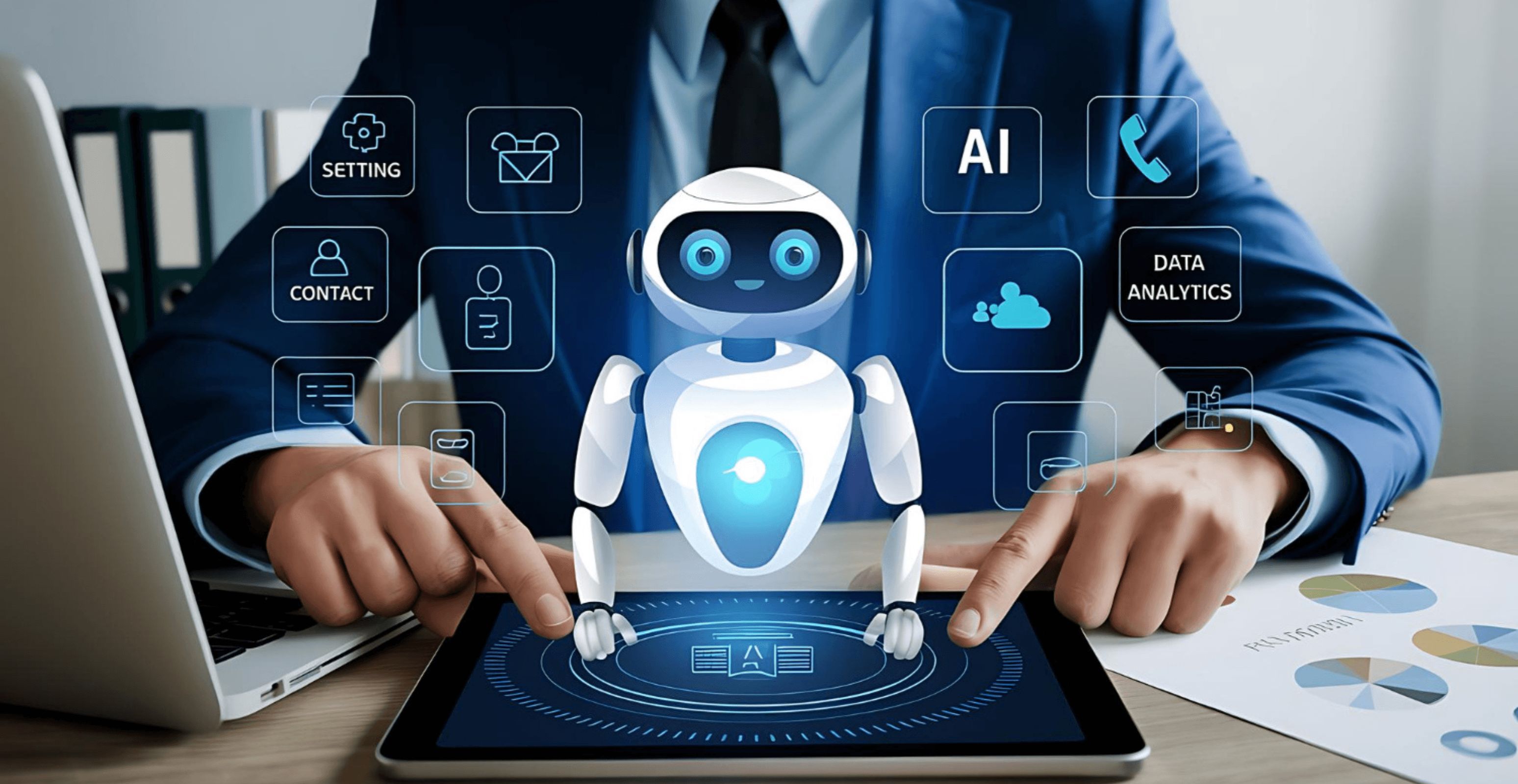
A multi-agent AI system is a network of independent AI agents that work together to achieve a common goal. Each agent is designed to perform specific tasks, but they collaborate dynamically to solve complex problems. Think of it like a digital team:
- One agent handles customer queries.
- Another manages marketing campaigns.
- Another analyzes data and makes decisions.
Unlike traditional automation, which follows rigid rules, multi-agent systems are adaptive, intelligent, and capable of decision-making.
How Multi-Agent AI Systems Work?
Task Distribution
Each AI agent is assigned a specific responsibility. For example, in a business setting:
- A marketing agent creates campaigns.
- A sales agent follows up with leads.
- A support agent handles customer inquiries.
This division allows for faster and more efficient execution.
Communication Between Agents
Agents don’t work in isolation. They constantly exchange information to stay aligned. For example:
- A lead generation agent sends qualified leads to a sales agent.
- A customer support agent shares feedback with a product optimization agent.
This interconnected system ensures seamless workflows.
Decision-Making & Learning
Multi-agent systems use machine learning to improve over time. They analyze outcomes, adjust strategies, and optimize performance without human intervention.
This is where they outperform traditional automation, they don’t just follow instructions; they evolve.
How Multi-Agent AI Systems Automate Entire Businesses
Marketing Automation
AI agents can handle everything from content creation to campaign optimization. They analyze user behavior, adjust targeting, and improve ROI automatically.
Many businesses now rely on AI automation services to manage their entire digital marketing ecosystem.
Customer Support Automation
AI agents provide 24/7 support, resolve common issues, and escalate complex cases when needed. This reduces response time and improves customer satisfaction.
Sales & Lead Generation
Multi-agent systems can:
- Identify potential leads.
- Qualify them.
- Nurture them with personalized communication.
This creates a fully automated sales funnel.
Operations & Workflow Automation
From inventory management to internal workflows, AI agents streamline operations by reducing manual tasks and minimizing errors.
Real-World Use Cases of Multi-Agent AI Systems
Businesses across industries are adopting this technology:
- SaaS Companies use AI agents for onboarding, support, and retention.
- E-commerce Brands automate inventory, marketing, and customer service.
- Digital Agencies leverage AI automation services to deliver faster results
An experienced AI automation agency can design and deploy these systems tailored to specific business needs.
Benefits of Multi-Agent AI Systems
Scalability
Businesses can grow without significantly increasing their workforce.
Efficiency
Tasks are completed faster and with fewer errors.
Cost Reduction
Automation reduces operational costs and increases profitability.
24/7 Operations
AI agents work around the clock without fatigue.
Challenges & Limitations
Despite their advantages, multi-agent systems come with challenges:
- Complex Implementation: Setting up multiple agents requires expertise
- Data Dependency: Performance depends on quality data
- Security Risks: Autonomous systems must be properly secured
This is why many companies turn to an AI automation agency for professional implementation.
Role of AI Automation Services & Agencies
Not every business has the technical expertise to build multi-agent systems from scratch. That’s where AI automation services come in.
An AI automation agency helps businesses:
- Identify automation opportunities
- Design AI workflows
- Implement and optimize multi-agent systems
This allows companies to adopt cutting-edge technology without the complexity.
Future of Multi-Agent AI Systems
The future is heading toward fully autonomous businesses. Multi-agent AI systems will soon:
- Make strategic decisions
- Manage entire departments
- Operate with minimal human oversight
As this technology evolves, businesses that adopt it early will gain a significant competitive advantage.
Conclusion
Multi-agent AI systems are not just a trend, they are the future of business automation. By enabling multiple AI agents to collaborate and operate autonomously, companies can achieve unprecedented levels of efficiency, scalability, and innovation.
Whether you’re a startup or an established enterprise, investing in AI automation services or partnering with an AI automation agency could be the key to staying ahead in 2026 and beyond.
FAQs
What is a multi-agent AI system?
A multi-agent AI system consists of multiple intelligent agents working together to complete tasks and automate processes.
How do businesses use AI agents?
Businesses use AI agents for marketing, customer support, sales automation, and operational workflows.
Are AI automation services worth it?
Yes, they help businesses save time, reduce costs, and scale efficiently.
What does an AI automation agency do?
An AI automation agency designs, implements, and manages AI systems tailored to business needs.


